Zigzag
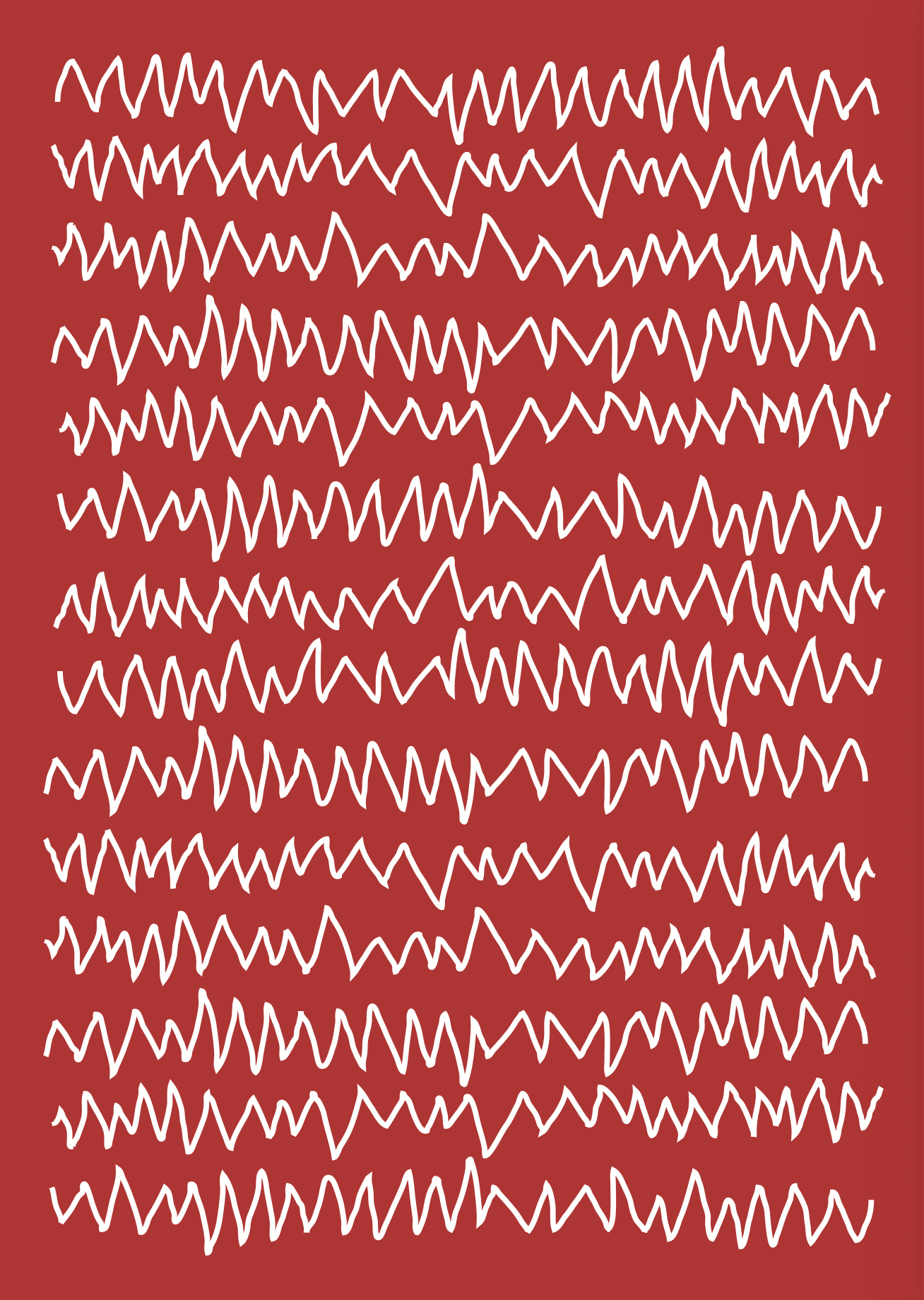
Zigzag: A reflection on language
We are taught that language is a tool for connection, a bridge built to carry a thought safely from one mind to another. We accept the rigid rule that a word must mean the same thing today as it did yesterday, trapped forever in its exact spelling and definition. But language is a fundamentally broken interface. Every word we speak is simultaneously too shallow and too deep. It is too shallow because a sterile, standardized arrangement of letters can never hope to hold the volatile, fluid weight of actual human experience. Yet it is too deep because words do not arrive clean; they are haunted. Every syllable carries a spectre—the heavy, echoing history of every mouth that has ever used it, every book that has ever printed it. We try to make a precise point, but we end up dragging a ghost into the room. We are forced to use secondhand tools to express firsthand feelings.
As a child before we are conditioned into the rigid architecture of the alphabet, I drew zigzag lines across the page, fully believing I was writing. To that child, the notion that a story should remain identical every time it is encountered is absurd. A story is a living entity. Why shouldn’t it shift? Why shouldn’t it breathe, changing its shape based on the light in the room, the warmth of the air, or the state of the person holding the page? By forcing language to be static, we kill the narrative. This work is an attempt to return to the logic of the zigzag. It is an exploration of the space between the word we choose and the meaning that constantly escapes it. A critique of a world that demands fixed definitions from creatures who are entirely made of flux.
reflection on language
everything is ever changing nothing ever stays the same and you can never go back to what happened before, not fully at least. I once compared this to raindrops falling onto water disturbing the surface leaving ripples and after it wont look the same. We make up words and labels to determine these things that are always slightly different in a way that can never fully be communicated ironically speaking since I am writing this now. but what I see, do, think, want, feel will never be the same as it is now in this exact moment. it might be a lookalike or have some of the same elements but it will never be the same and nothing can communicate the gaps between words, the holes in our descriptive language as it tries to come as close as possible it will never fully bridge the space between you and me, what is understanding if you will never feel the same? all you can do is imagine and hope your makeshift idea of what someone else is dealing with comes close enough to form a reasonable reply. Most of what we feel and see and maybe not so clearly notice is lost untill it suddenly stands out and we try to communicate through growing language adding more and more words to label these in between spaces that still need to be defined but every word is a point and an entire spectre at the same time saying something and nothing at all. Defined and undefined but without it nothing makes sense.
REFERENCES
- Ursula K Le Guin She unnames them